Signal vs WhatsApp 2026: Which Is Actually More Private?
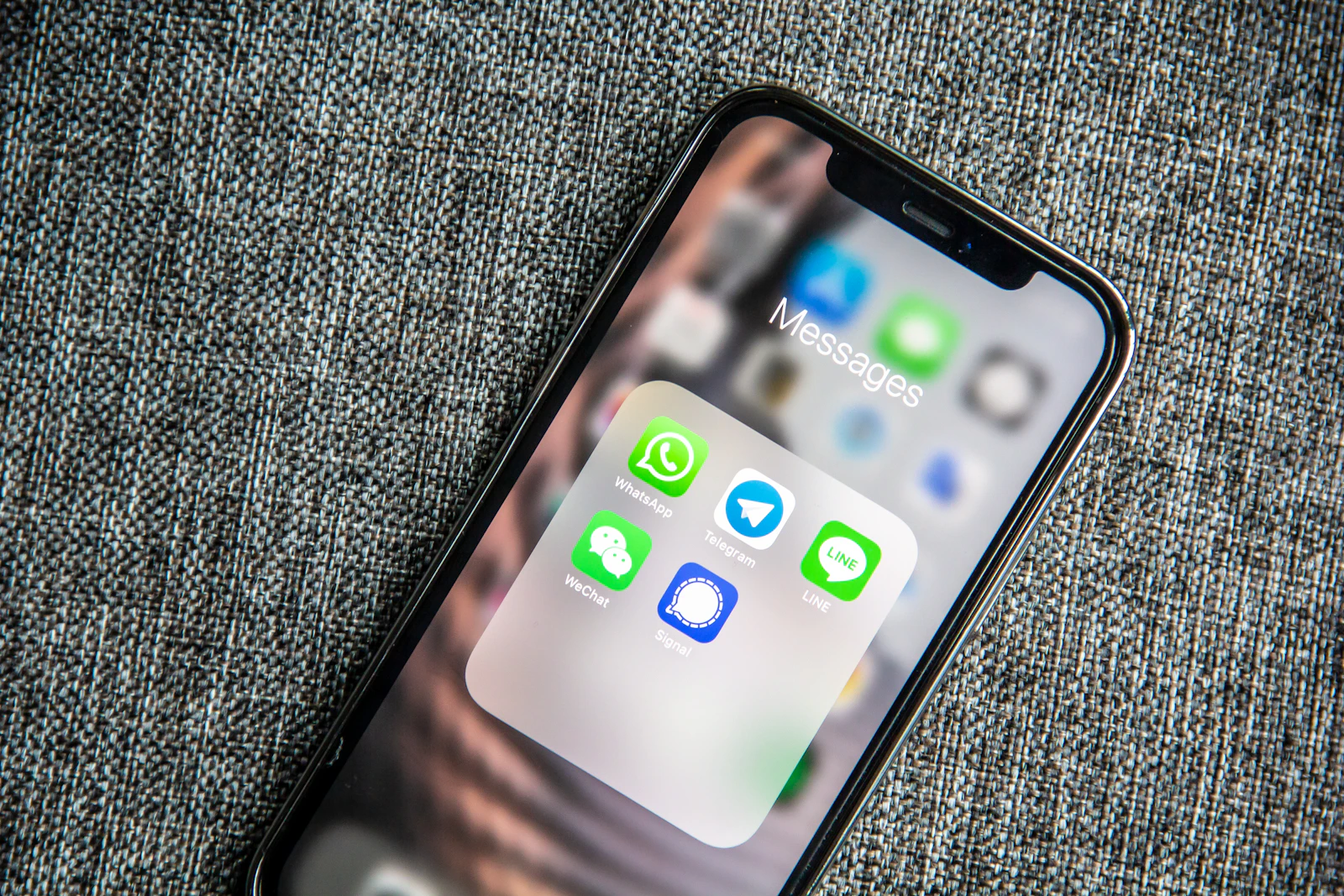
Both Signal and WhatsApp encrypt your messages end-to-end - so on message content, they are closely matched. The honest difference in 2026 is metadata and ownership: who can see that you talked, to whom, when, and who profits from it. On that axis Signal wins decisively. This guide compares them fairly, including where WhatsApp is perfectly fine and the real limits of each.
If Telegram is also on your shortlist, see how Signal compares with Telegram for the encryption-model differences that matter most.
What they share
WhatsApp actually uses the Signal Protocol for its end-to-end encryption, so the content of your one-to-one and group messages is encrypted in transit on both. For protecting message text from interception, both are strong. This is why “WhatsApp isn’t encrypted” is a myth - it is.

Where they diverge: metadata and ownership
This is the whole game:
- WhatsApp (Meta): encrypts content, but collects extensive metadata - who you message, how often, your contacts, device and usage data - and operates within Meta’s ecosystem. The message bodies are private; the patterns around them are visible to and monetised by a data company.
- Signal (nonprofit): built to minimise metadata. It uses sealed sender to hide who is messaging whom, stores almost nothing on its servers, is fully open-source and independently audited, and has no advertising business model.
So: similar content security, very different privacy. If your concern is that no company profits from your social graph, Signal is the clear choice.
The honest limits of each
- Both traditionally required a phone number (Signal has added usernames to reduce phone-number exposure; WhatsApp still ties to your number). A messenger that asks for no number at all is a different trade again, weighed in Signal vs Session.
- Both depend on your contacts’ devices - an unencrypted backup or a compromised phone on the other end undermines any messenger.
- WhatsApp has the network effect - almost everyone is on it, which is its genuine advantage.
- Signal is only as useful as the people you can convince to use it.
Which should you choose?
- Want maximum privacy and minimal metadata, and your contacts will join → Signal.
- Need to reach everyone and accept Meta-level metadata for content that is still E2E encrypted → WhatsApp is acceptable for non-sensitive chat.
- Best of both: use Signal for anything sensitive, WhatsApp for the crowd that won’t switch.
A private messenger is one piece of a privacy stack. Pair it with a hardened phone - see the best privacy phone and how to de-Google your Android - private network access via Tor Browser, and a private inbox via the best secure email providers.
The bottom line
On content, Signal and WhatsApp are close - both end-to-end encrypted with the Signal Protocol. On privacy, Signal wins clearly: minimal metadata, sealed sender, open-source, nonprofit, no ad model. WhatsApp is fine for everyday chat that is encrypted but metadata-exposed to Meta. Choose Signal for sensitive communication; keep WhatsApp for reach if you must - and don’t forget the messenger is only as private as the phone and habits around it.
Want the full shortlist beyond WhatsApp? See our best encrypted messaging app roundup covering Signal, Threema, Session, SimpleX and more.
Frequently asked questions
Is WhatsApp encrypted? Yes - message content is end-to-end encrypted using the Signal Protocol. The difference from Signal is metadata, not content encryption.
Why is Signal considered more private than WhatsApp? Signal minimises metadata (sealed sender, almost nothing stored), is open-source and audited, and is run by a nonprofit with no ad business - whereas WhatsApp, under Meta, collects extensive metadata.
Does Signal need my phone number? Historically yes, though Signal has added usernames to reduce phone-number exposure. WhatsApp still ties your account to your number.
Is it safe to use WhatsApp for sensitive messages? The content is encrypted, but the metadata is exposed to Meta. For genuinely sensitive communication, prefer Signal.
Editorial comparison based on the documented encryption (both use the Signal Protocol) and the documented metadata and ownership models of Signal and WhatsApp. We state plainly that content security is similar while privacy differs. Commercial links carry the rel=“sponsored nofollow” attribute; an affiliate commission may apply at no extra cost to you.