What Is Social Engineering? How Attackers Hack People (2026)

The weakest part of almost any security setup is not the software - it is the person using it. Social engineering is the art of hacking people instead of machines: tricking someone into handing over a password, clicking a link, or letting an attacker in. It works because it targets trust, fear, and habit. This guide explains what it is, the main tactics, and how to defend against it.
Because phishing is the most common form of social engineering, the practical guides on how to prevent phishing and how to identify a phishing email are the natural next step.
The short answer
- Social engineering manipulates people into giving up information or access - no technical exploit needed.
- It exploits human nature: the urge to help, the fear of getting in trouble, curiosity, and respect for authority.
- It is behind most successful attacks, because fooling a person is often easier than beating good security.
- The most common form is phishing, but the same trick comes in many shapes.
How social engineering works
Every social-engineering attack follows a simple pattern: the attacker pretends to be someone trustworthy and creates a reason to act now. It might be an “IT support” email, a “bank” text, or a caller claiming to be your boss. The goal is to short-circuit your judgment with urgency or authority, so you click, reply, or hand something over before you stop to think. The technology is just the delivery method - the real target is your decision.
Common tactics
The same idea wears many disguises:
- Phishing - fake emails, texts, or sites that look real and ask for logins or money.
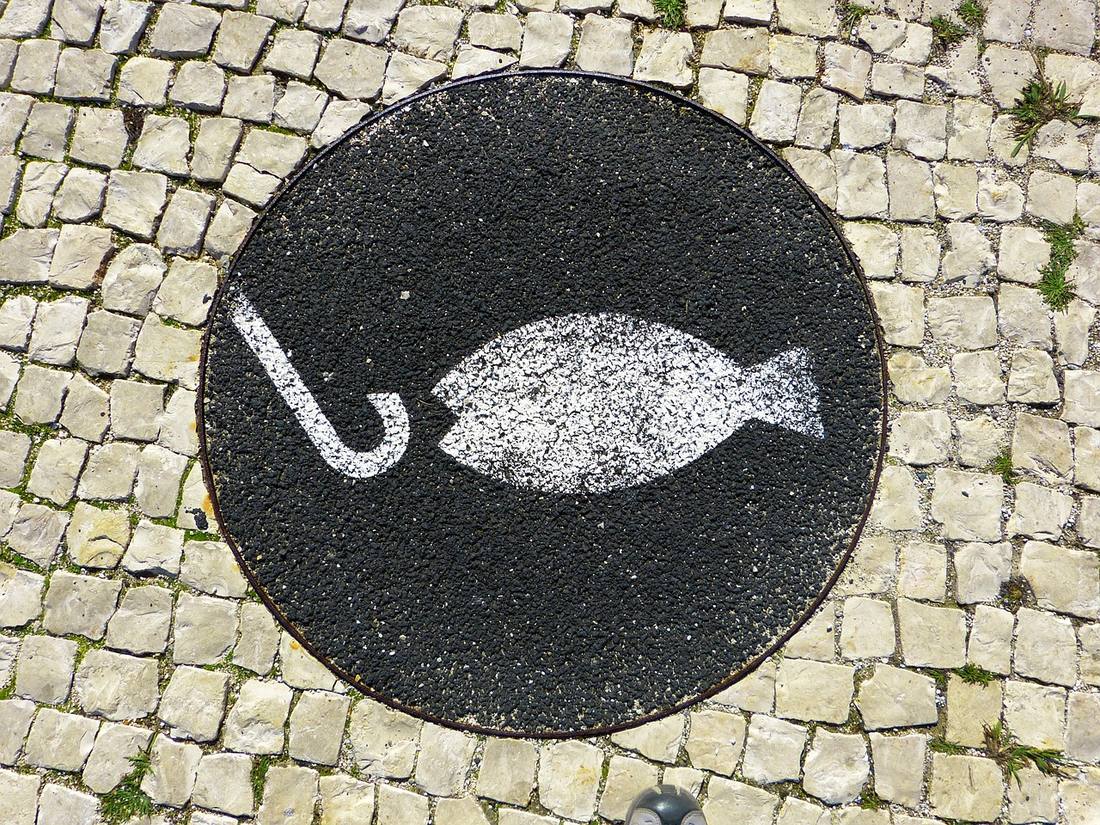
- Pretexting - inventing a believable story or role (“I’m from the help desk”) to extract information.
- Baiting - dangling something tempting, like a free download or a USB stick left in a lobby.
- Tailgating - physically following someone through a secure door.
- Vishing and smishing - the same tricks by phone call or SMS.
How to defend against it
You cannot patch human nature, but you can build habits that beat these attacks. Slow down: urgency is the biggest red flag, so treat any “act now” message with suspicion. Verify through a separate channel - if “your bank” calls, hang up and call the number on your card. Never give a password or code to anyone who contacts you. Because phishing is the main vector, the strongest single defense is good login hygiene, paired with two-factor authentication so a tricked password is not enough on its own.
The bottom line
Social engineering attacks the human, not the machine - manipulating trust and urgency to get information or access that no firewall can stop. It is behind most real-world breaches, from phishing emails to fake support calls. The defense is awareness and good habits: slow down, verify on a separate channel, never share passwords or codes, and use a password manager with two-factor authentication so one moment of misplaced trust does not cost you everything.
Frequently asked questions
What is social engineering in simple terms?
Social engineering is manipulating people into giving up information or access, instead of hacking the technology directly. An attacker pretends to be someone you trust - IT support, your bank, a colleague - and uses urgency or authority to get you to click a link, share a password, or let them in. It targets human nature, which is often easier to fool than well-configured security.
What is the most common type of social engineering?
Phishing is by far the most common: fake emails, texts, or websites that look legitimate and ask you to log in, pay, or reveal information. Variants include spear phishing (targeted at a specific person), vishing (voice calls), and smishing (SMS). They all share the same goal - to make you act quickly before you notice something is wrong.
Why is social engineering so effective?
Because it bypasses technology and targets people directly. It exploits built-in human tendencies: the urge to be helpful, fear of consequences, curiosity, and respect for authority. Attackers add urgency so victims act before thinking. Even strong technical security fails if someone is tricked into handing over the keys, which is why social engineering is behind most successful breaches.
How can I protect myself from social engineering?
Slow down and be skeptical of any message that pressures you to act immediately. Verify requests through a separate, trusted channel rather than the one that contacted you. Never share passwords or one-time codes. Use a password manager, which will not autofill on fake look-alike sites, and turn on two-factor authentication so a stolen password alone is not enough to get in.
By phone, the same technique arrives at scale and automated: how to stop robocalls covers what filters them before they ring.