How to Stop Robocalls: What Works, What Only Feels Like It Works
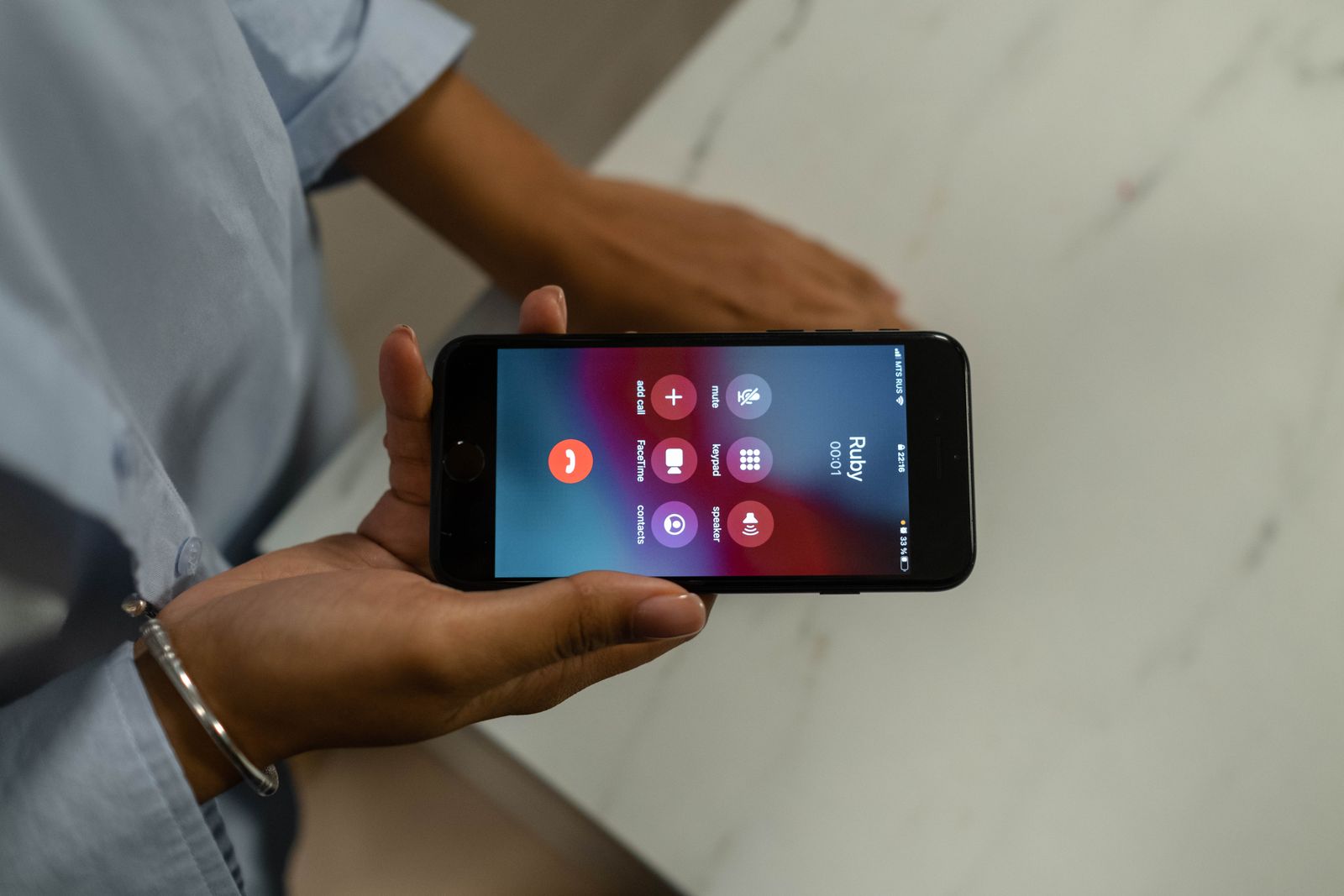
Blocking the number that just called you does almost nothing. The software placing these calls picks a new number for the next one, often one that looks like it comes from your own area, and your block list grows by one entry per call forever.
The methods that work are the ones that filter before your phone rings. Here they are, in the order of how much difference they make.
1. Turn on your carrier’s filtering
Every major operator now offers network level call filtering, usually free, and a large share of subscribers have never enabled it. It works upstream of your handset, which is the only place a call can be stopped before it costs you anything.
Search your operator’s name plus “call protection” or “spam filtering” and enable it in your account. This is the single highest impact step and it takes about two minutes.
2. Use the setting already on your phone
On iPhone: Settings, Apps, Phone, and enable Silence Unknown Callers. Anyone not in your contacts, not in your recent outgoing calls and not in your mail goes straight to voicemail without ringing.
On Android: the Phone app, then Settings, Caller ID and spam, and enable both See caller and spam ID and Filter spam calls.
⛔ Know the trade before switching it on. A delivery driver, a doctor’s office or a job interview calling from a number you do not have will be silenced too. The calls still appear in your recent list and voicemail still works, so nothing is lost, but you have to look. For most people the trade is worth it; for someone expecting calls from strangers it is not.

3. Register on the official opt-out list, and expect little
The United States has the National Do Not Call Registry, the United Kingdom the TPS, France Bloctel. Registration is free and takes a minute.
Be clear about what it does. It obliges legitimate companies to stop calling you. It does nothing at all about criminal operations, which are the ones placing the calls that matter, and they are outside any jurisdiction that could enforce it. Register, because it costs nothing and removes the lawful nuisance layer. Do not expect the fraudulent layer to notice.
4. Stop confirming that the number is live
This is the free one, and it is the one people get wrong.
Answering, saying anything, or pressing a key to be removed from the list all confirm that a human is on the other end. A confirmed number is worth more and gets sold on. The “press 9 to opt out” prompt is a test, not a service.
Let unknown numbers go to voicemail. A real caller leaves a message, and every automated system does not.
Two things that do not help as much as advertised
Blocking numbers manually. Useful for a persistent human caller, useless against a system that spoofs a new number every time. You are filling a list that the other side never reads.
Third party blocking apps. Some genuinely help, and many of them want access to your contacts and your call log to do it. You are trading a call log for fewer calls, and the value of that trade depends on the company involved. The carrier and handset options above cost nothing in data and are worth trying first.
What to do if one gets through and asks for something
The pattern is always the same: urgency, an authority, and a payment or a code.
Hang up and call the organisation back on a number you find yourself, not the one you were given and not by returning the call. Your bank, the tax office and the police will never mind you doing this, and none of them will ask for a code read aloud from a text message.
If the call already made you hand over a code, the account behind it is what needs attention: two factor authentication explains which codes matter and why one read aloud is enough to lose an account. The same mechanism by email is covered in how to identify a phishing email, and the broader technique in what is social engineering.
The realistic outcome
Carrier filtering plus the handset setting removes most of the volume for most people. It does not reach zero, and anyone promising that is selling something. The goal is a phone that rings when it should, not a phone that never rings from an unknown number.